

Environmental Epidemiology, Epigenetics, and Population Health
Who We Are
We are a dynamic team of researchers and industry experts tackling environmental and public health challenges through cross-disciplinary innovation. With expertise spanning agriculture, biology, biostatistics, data science, epidemiology, epigenetics, and health informatics, we address critical issues like air pollution, drinking water contamination, chronic diseases, and agricultural sustainability. Our focus includes:
- Early life exposures and their impact on childhood allergic diseases
- Epidemiology of freshwater cyanobacterial toxins in drinking and recreational waters
- Effects of harmful algal blooms on agricultural crops and human health risks
Driven by data and inspired by global health needs, we turn research into real-world solutions.
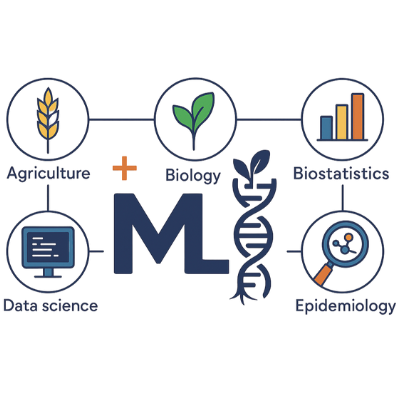

Melaram Lab is dedicated to advancing environmental and public health by integrating cutting-edge research, data analytics, biostatistics, epigenetics, and epidemiology. We harness the power of cross-disciplinary expertise in agriculture, biology, data science, digital health, and population health to solve complex challenges such as environmental exposures, chronic diseases, and agricultural sustainability. Through evidence-based approaches and entrepreneurial thinking, we bridge science and industry to create scalable, real-world solutions.
Purpose
To drive impactful research and develop innovative solutions that:
Conducting rigorous epidemiological research to understand environmental risk factors for chronic diseases and translate findings into evidence-based public health interventions.
Leveraging machine learning algorithms, advanced statistical modeling, and geospatial analysis to uncover complex patterns in environmental health data.
Investigating how environmental exposures alter gene expression through DNA methylation and other epigenetic mechanisms, bridging molecular biology with population health.
Researching sustainable agricultural practices, water quality management, and innovative approaches to mitigate the impacts of harmful algal blooms on food systems.
Building collaborative relationships between academia, healthcare institutions, and industry partners to accelerate the translation of research discoveries into practical solutions.
Together, we pioneer a healthier and more sustainable future by bridging the gap between research and real-world application.
